
PPOA President
Lieutenant, LASD
sjohnson@ppoa.com
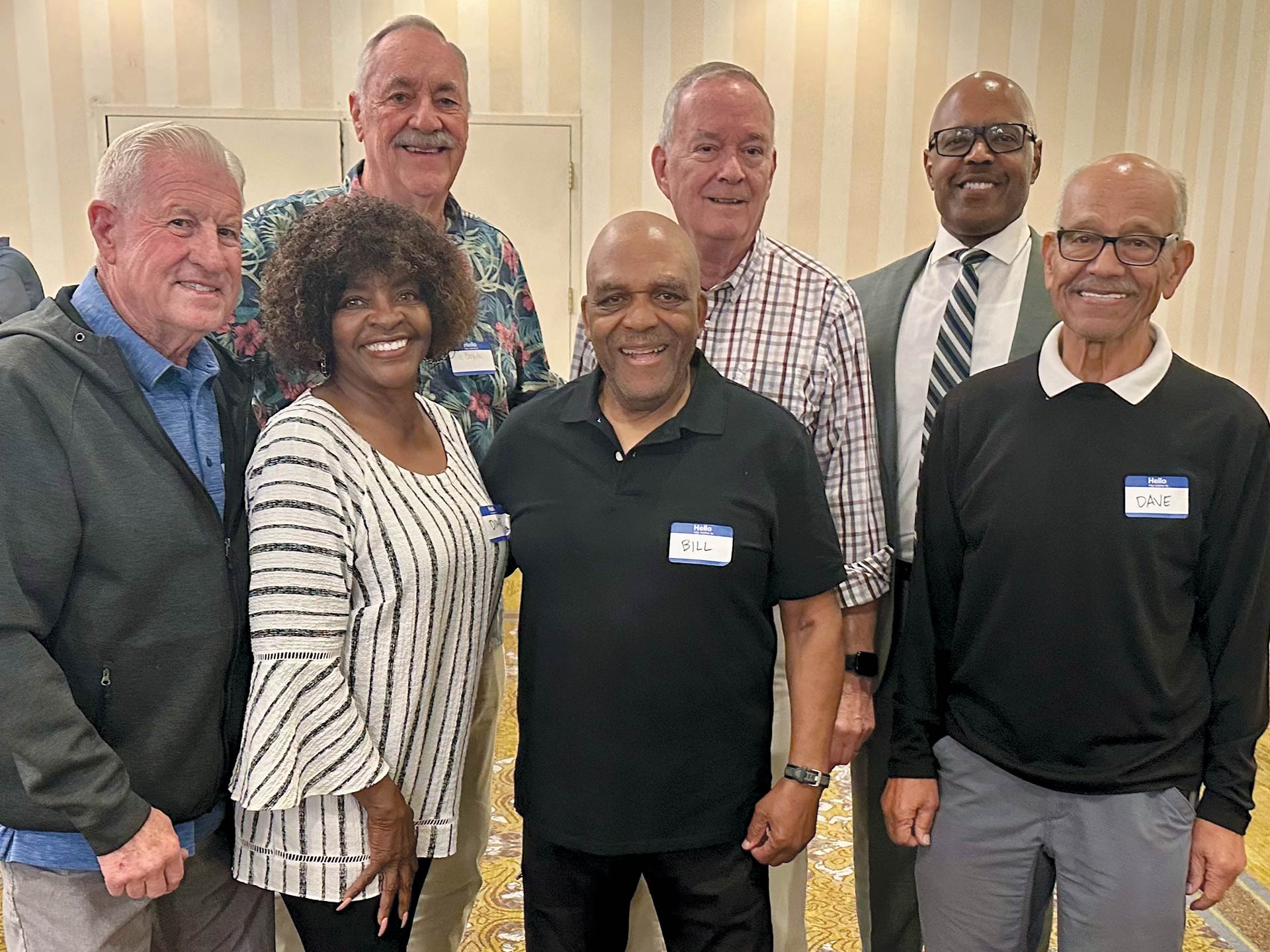
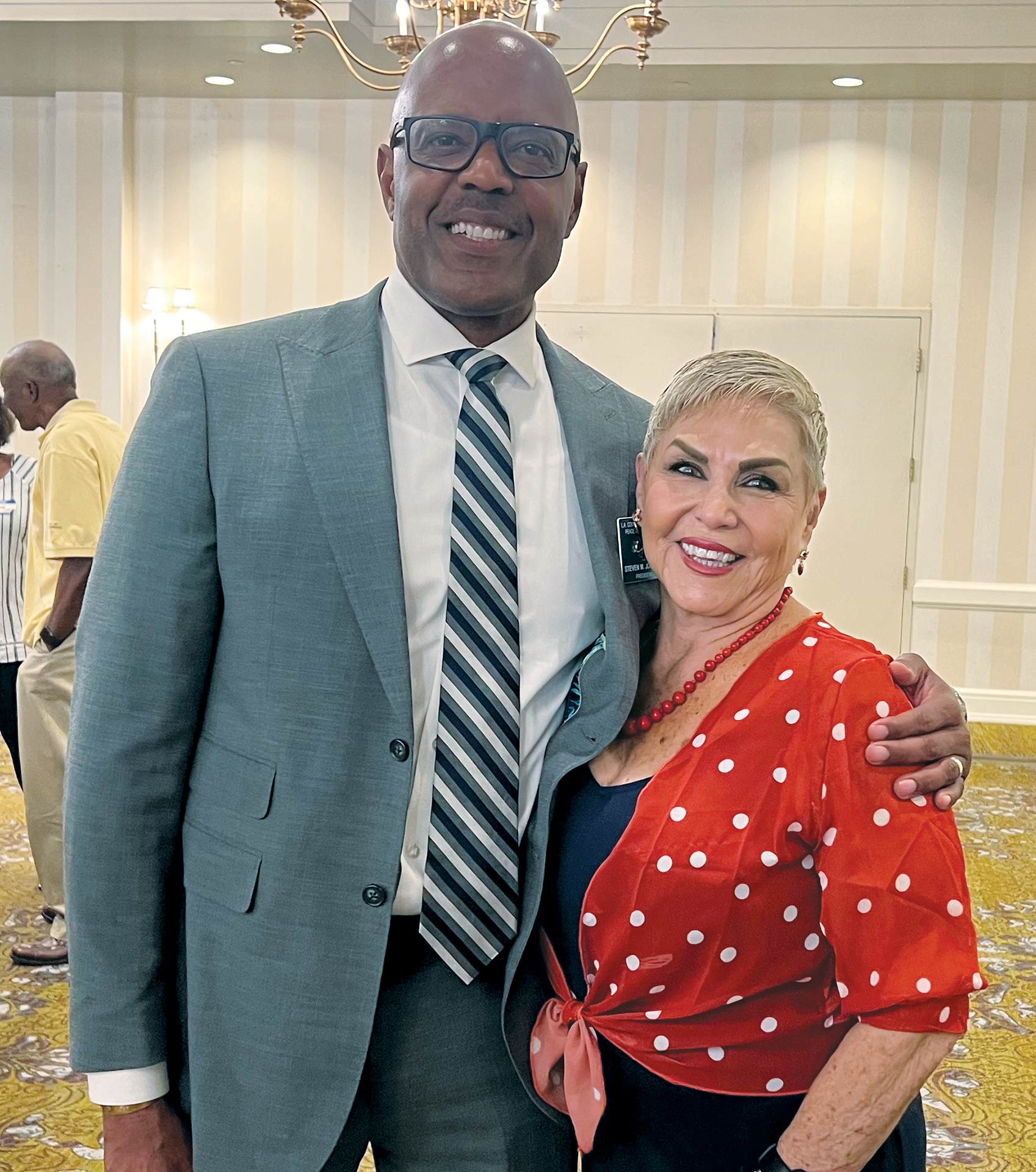
On behalf of PPOA earlier this year, I had the privilege of attending the annual LASD Retiree Roundup in Laughlin, Nevada. Every time I have the opportunity to spend time with our retired members, I come away with a greater appreciation for what it means to be part of this law enforcement family and a few lessons I wish every member could hear before walking out the door for the last time.
The Roundup is much more than a gathering of retired law enforcement professionals. It is a reunion, history lesson, place to laugh about the old days, and in many ways, a reminder that retirement does not mean leaving your Department family behind.
The story of the Roundup itself is a great example of the importance of staying connected. In 1997, retired Sergeant William “Moon” Mullen, who had relocated to Arizona, recognized that retired LASD members were becoming increasingly disconnected from the Department and from one another. He began compiling a list of retired members so they could stay in touch. What started with approximately 40 names eventually grew into a network of thousands.
Those early communications included Department bulletins, bereavement notices, retirement announcements, job opportunities, requests for assistance and personal messages. Eventually, that effort evolved into the annual Retiree Roundup we know today.
Walking around the Roundup, I couldn’t help but think about how much has changed since 1997 — and how much hasn’t. Technology has changed. After retirement, although social media now gives us access to the lives of those we worked with, it cannot replace the heart-to-heart bonds that occur in person at the Roundup. The importance of friendship, purpose and looking out for one another hasn’t changed at all. With the retiree events PPOA sponsors and the many informal gatherings that occur, I hope you continue to meet in person as much as possible.
As I talked with retirees, I listened for the advice they would give to those of us who are still working. I heard plenty of great stories, a few tall tales and more than a little good-natured ribbing. But I also heard some consistent wisdom.
Rather than repeat the retirement advice I’ve shared in the past, I came away with four different lessons (or takeaways) that I believe deserve attention.
 1. Retire to Something, Not Just From Something
For years, retirement is often described as the finish line. I think that’s the wrong way to look at it. If your entire retirement plan consists of one sentence, “I’m going to stop working,” you may discover that you’ve planned for the absence of work without planning for the presence of everything else.
A career in law enforcement fills a tremendous amount of our lives. It gives us structure, responsibility and a sense of accomplishment. When that disappears, the empty space can be bigger than expected. Before you retire, start asking yourself a different question such as, “What am I retiring to?”
Maybe it’s traveling. Maybe it’s family. Maybe it’s coaching, volunteering, fishing, restoring cars, riding motorcycles, learning something new or finally tackling the projects you’ve been putting off for 20 years. It doesn’t have to be impressive. It just needs to matter to you. One of the best things you can do before retirement is begin building pieces of that new life while you’re still working. Don’t wait for your retirement date to figure out what makes you happy.
2. Learn to Be a Beginner Again
There is something humbling about starting over at something you don’t know how to do. During our careers, we’re accustomed to being competent. We know our jobs. We know our partners. We know how to handle difficult situations. We’ve spent years developing expertise. Retirement gives us an opportunity to be beginners again.
Take a class. Learn an instrument. Pick up a new hobby. Learn a language. Try woodworking. Take up photography. Get involved with a community organization. Explore technology you’ve never used. And don’t worry about being good at it. The point isn’t to become an expert. The point is to keep your mind engaged and give yourself opportunities to discover interests that may have been buried underneath the demands of a career.
3. Give Yourself Permission to Slow Down
This may sound simple, but for people who have spent decades working in law enforcement, slowing down can be surprisingly difficult. We are accustomed to schedules, deadlines, calls, reports, court appearances and constantly having somewhere to be. Then retirement arrives, and suddenly, the week doesn’t require an agenda.
At first, that can feel liberating. Eventually, some people may find themselves wondering whether they’re doing enough. My advice would be to not confuse being busy with being productive. Retirement is one of the few opportunities in life when you can deliberately create more space.
Have breakfast with your spouse. Take the long way home. Sit outside with a cup of coffee. Spend an afternoon with your grandchildren. Take the trip you’ve postponed. Read a book without feeling guilty about the time. You spent your career responding to everyone else’s emergencies and now you’re set for optimum “me” time.
4. Tell Your Story While You Still Can
One of the most meaningful things about spending time with retirees is hearing the stories. Some are funny. Some are unbelievable. Some are difficult to hear. But all of them are part of our collective history. Every retired member carries experiences that cannot be replaced by a training manual or history book.
That’s why I encourage those approaching retirement to preserve their stories. Write them down. Sit with your children and tell them what your career was really like. Share or text photographs. Identify the people in the old pictures. Explain the stories behind the badges, patches and memorabilia you’ve accumulated over the years. Our younger members can learn from the experiences of those who came before them. Years from now, those memories may become some of the most valuable things you leave behind.
THE ICING ON THE CAKE
Perhaps the greatest lesson I took away from the Roundup is that retirement changes your role, but it doesn’t erase your history. The people you worked beside, friendships you built and experiences you shared remain part of you. That is why events like the LASD Retiree Roundup matter so much. They give us a place to reconnect with people who understand where we’ve been, while reminding us that there is still plenty of life ahead.
At PPOA, we spend a great deal of time helping members prepare for the practical side of retirement. Pension planning, benefits, financial considerations and other details are important, and they absolutely deserve attention well before the retirement date.
But preparation shouldn’t stop there. Prepare for the life you’ll live after the career. Ask yourself what you want your days to look like. Who do you want to spend them with? What have you always wanted to learn? What stories do you want your family to remember?
Most importantly, don’t wait until your final day on the job to begin building your next chapter. Your career may have an end date but your purpose does not. Here’s to the members approaching retirement, the retirees who have already begun their next chapter and everyone who has helped make the PPOA family what it is today. Stay safe, look out for one another and enjoy every chapter.